






























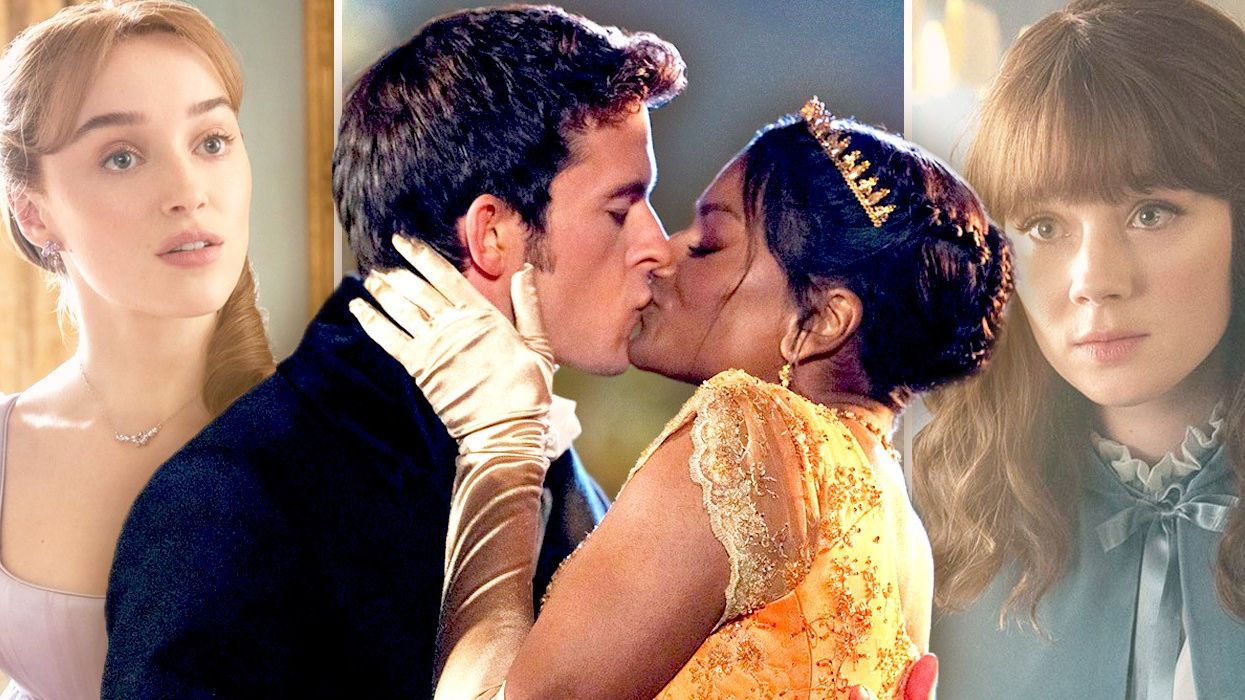

Their First Kiss on the set of the Titanic
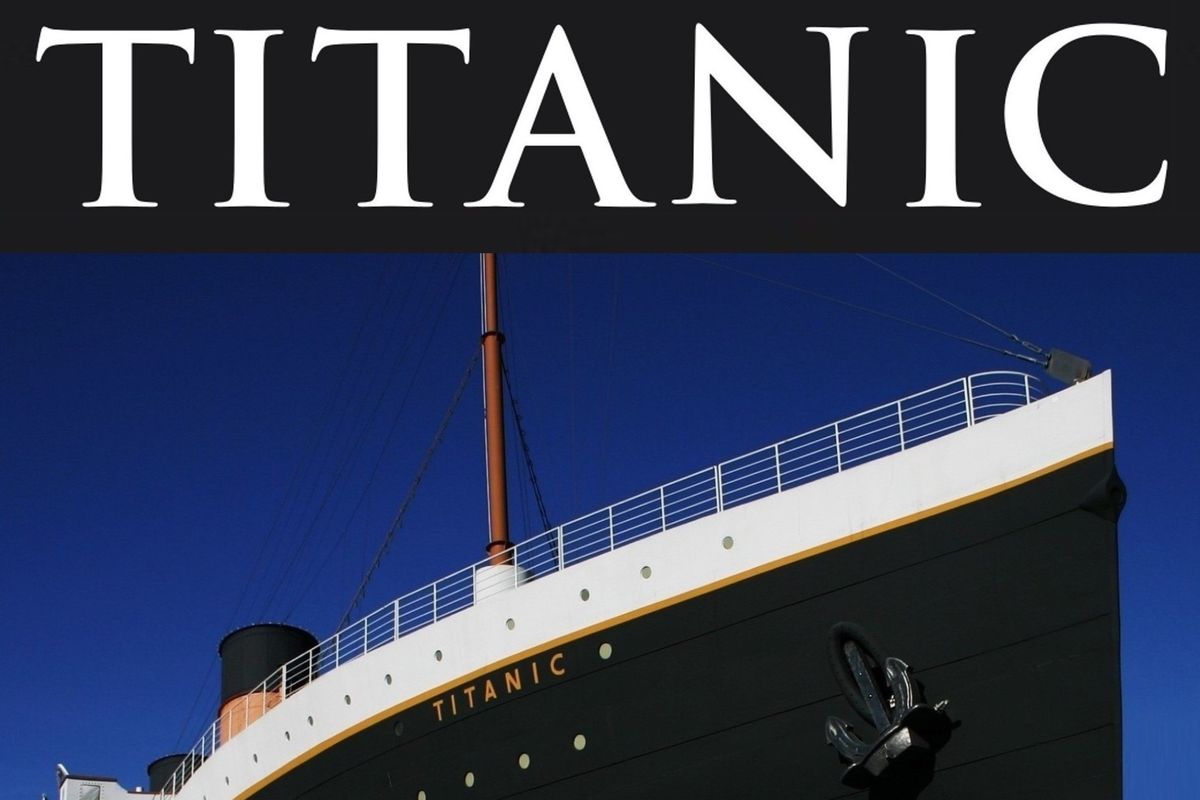 commons.wikimedia.org
Meeting on the set of Titanic in 1997, DiCaprio and Winslet instantly clicked amidst the gruelling seven-month shoot. Their chemistry was palpable, but both actors have insisted that their bond was purely platonic. Winslet once shared that while her friends were swooning over DiCaprio, to her, he was just “silly old Leo.” This early connection started a friendship that would endure the test of time and Hollywood’s pressures.
Oscar Buzz and Romance Buzz

Photo By Ron Wolfson/Getty Images
Their friendship has only blossomed over the years, punctuated by countless public appearances that left fans buzzing. Take the 1998 Golden Globes, for instance—Leo and Kate’s camaraderie was on full display as they cheered each other on, despite the endless swirl of romantic rumors. This pattern of mutual support and affectionate displays has persisted, proving that true friendship not only survives but thrives under the bright lights of Hollywood’s spotlight.
Reuniting On The Silver Screen
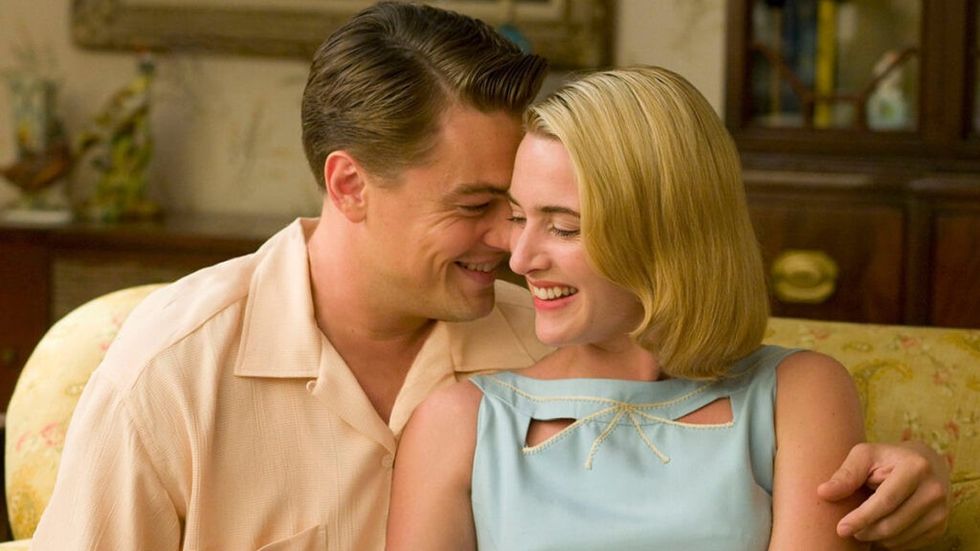
Kate Winslet and Leonardo DiCaprio on the set of Revolutionary Road
In 2008, DiCaprio and Winslet reunited on screen for Revolutionary Road, a film about a disintegrating marriage. Despite the intense and somewhat uncomfortable scenes, especially with Winslet’s then-husband Sam Mendes directing, their chemistry was as electric as ever. Winslet later reflected on their effortless ability to fall back into sync, likening it to muscle memory. This reunion showcased their incredible acting skills and highlighted the depth of their enduring friendship.
She Thanked Leo (Before Her Husband)!
At the 2009 Golden Globe Awards, Cameron Diaz and Mark Wahlberg presented the award for Best Actress in a Motion Picture Drama to Kate Winslet for her stunning performance in Revolutionary Road. Winslet, overwhelmed with emotion, took the stage and apologized to the other nominees before expressing her disbelief at winning a second award that night.
In her heartfelt speech, she thanked the Hollywood Foreign Press, her longtime agents, writer Richard Yates, the film’s cast and crew, the producers, the hair and makeup department, her dialect coach, and, notably, her co-star Leonardo DiCaprio before her husband and the film's director, Sam Mendes. Among the nominees were heavyweights like Anne Hathaway, Angelina Jolie, Meryl Streep, and Kristin Scott Thomas.
Winslet made sure to acknowledge her longtime friend and Revolutionary Road co-star, saying, "Leo, I'm so happy I can stand here and tell you how much I love you and how much I've loved you for 13 years. Your performance in this film is nothing short of spectacular."
Leo Walked Kate Down The Aisle

Photo by Alexandra Wyman/WireImage
In 2012, during a secret ceremony in New York, it was rumored that Leonardo DiCaprio gave Kate Winslet away at her wedding to Ned Rocknroll (born Abel Smith). This touching gesture demonstrated the depth of their bond, with DiCaprio standing by his friend’s side during one of the most significant moments of her life. This act of friendship showcased the unwavering support and love they have for each other, further cementing their status as one of Hollywood’s most beloved duos.
And The Oscar Goes To...
 HOLLYWOOD, CA - FEBRUARY 28: Actor Leonardo DiCaprio (L) and Kate Winslet attend the 88th Annual Academy Awards at Dolby Theatre on February 28, 2016 in Hollywood, California. Photo by Christopher Polk/Getty Images
Who can forget the 2016 Oscars when DiCaprio, finally nominated for his role in The Revenant, surprised Winslet on the red carpet? The reunion sparked joy and nostalgia for fans, reminding everyone of their timeless bond that began with Titanic.
During DiCaprio’s acceptance speech, Winslet couldn’t hold back her tears. As he spoke about the importance of protecting our planet, the camera caught Winslet’s emotional reaction, proving just how much his success meant
They Didn't See Each Other For 3 Years!

HOLLYWOOD, CA - FEBRUARY 28: Actors Leonardo DiCaprio (R) and Kate Winslet attend the 88th Annual Academy Awards at Hollywood & Highland Center on February 28, 2016 in Hollywood, California.
Photo by Dan MacMedan/WireImage
The COVID-19 pandemic posed a significant challenge to their friendship, as travel restrictions kept them apart. Winslet described their emotional reunion after nearly three years as tear-filled and overwhelming, emphasizing how much they missed each other. “I couldn’t stop crying,” Winslet confessed, illustrating the profound connection they share. This reunion underscored the strength of their bond, one that thrives even in challenging times.
Their friendship was once again in the spotlight during the release of Titanic's 4K Ultra HD edition, where Winslet reminisced about their early days on set. She described young DiCaprio as a magnetic presence, full of energy and freedom, qualities that made working with him a delightful experience. Winslet’s reflections remind us of the joyful and enduring nature of their bond.
Nearly 30 Years of Friendship
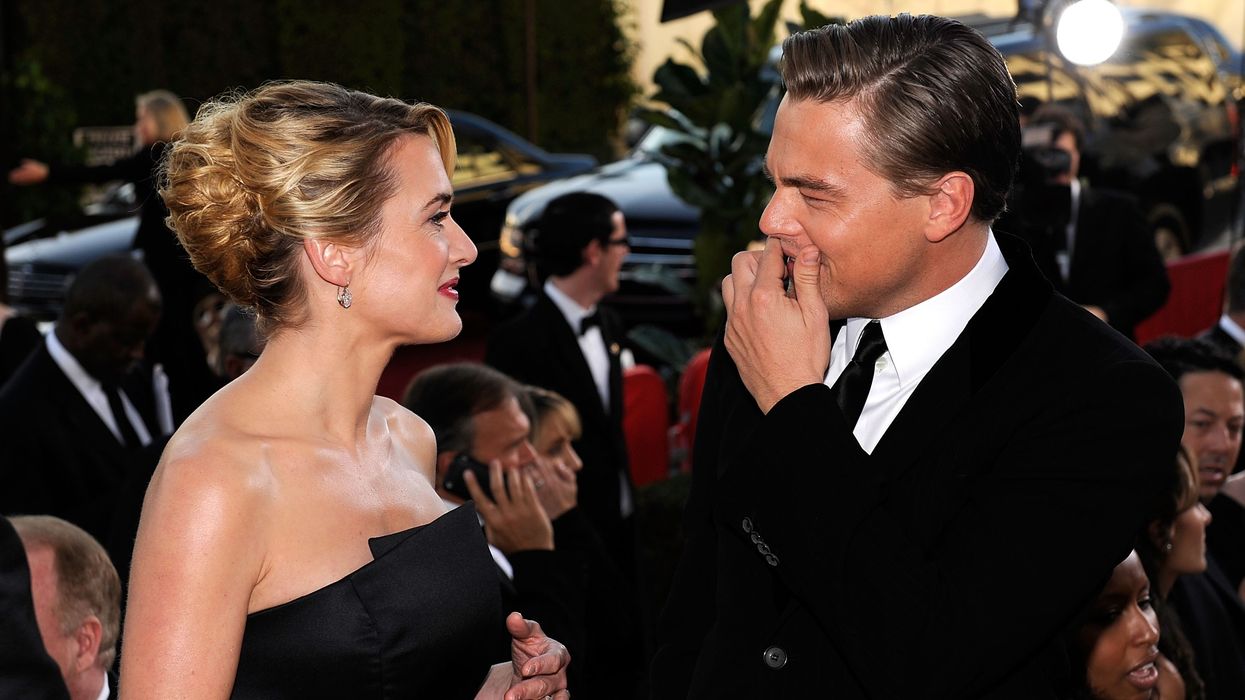
BEVERLY HILLS, CA - JANUARY 11: Actors Kate Winslet (L) and Leonardo DiCaprio arrive at the 66th Annual Golden Globe Awards held at the Beverly Hilton Hotel on January 11, 2009 in Beverly Hills, California.
Photo by Kevork Djansezian/Getty Images
Leonardo DiCaprio and Kate Winslet’s friendship is a testament to the enduring power of genuine human connection amidst the glitz and glamour of Hollywood. Their story, filled with shared memories, mutual respect, and unwavering support, continues to inspire fans worldwide. In an industry where relationships can often be fleeting, their bond stands out as a heartwarming example of true friendship.
From their early days on the Titanic set to walking each other down the aisle and supporting each other’s career milestones, DiCaprio and Winslet's friendship reminds us that childhood friends never get old. As Winslet once said, “We’re bonded for life,” a sentiment that perfectly captures the deep and abiding connection they share.