























 Man working his way up








The Holiday Time Uplifting Story
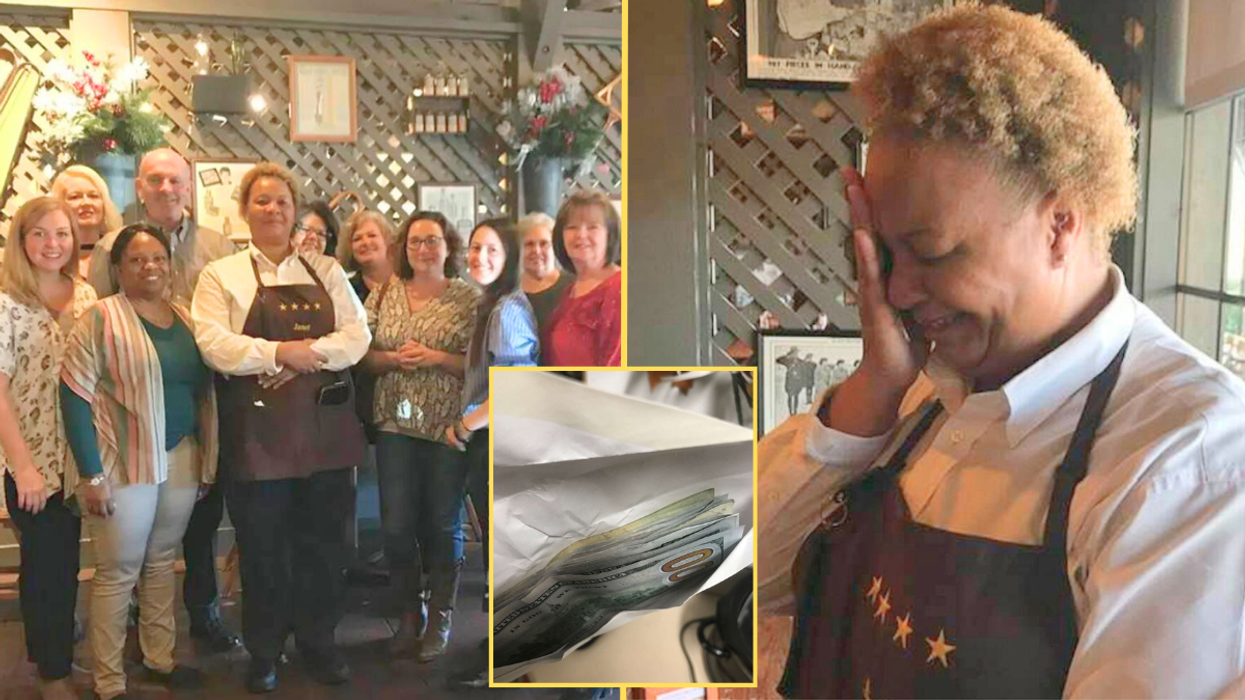
It was December, and Janet Ballard was working the lunch shift at Cracker Barrel. She had been at the chain for more than a decade, so it was business as usual for the server when a group of 12 came in to eat. It was not, however, a routine meal for the patrons who came in that day.
You see, the group had come into the eatery with the intention of spreading generosity. They were a bunch of church-going friends who wanted to lift someone up ahead of the holidays, and they had hatched a plan.
In what James Deal described in a Facebook post as the “1st Annual 100 dollar breakfast,” each of the 12 diners left Ballard a $100 tip at the end of the meal. In total, they pooled together $1,200 and put it in a card for their server.
“I read the card, and it had scriptures on it, which let me know they were good people,” Ballard told Today. “They were very genuine individuals. They were total strangers.”
The Surprise of a Lifetime
 Photo by Giorgio Trovato on Unsplash
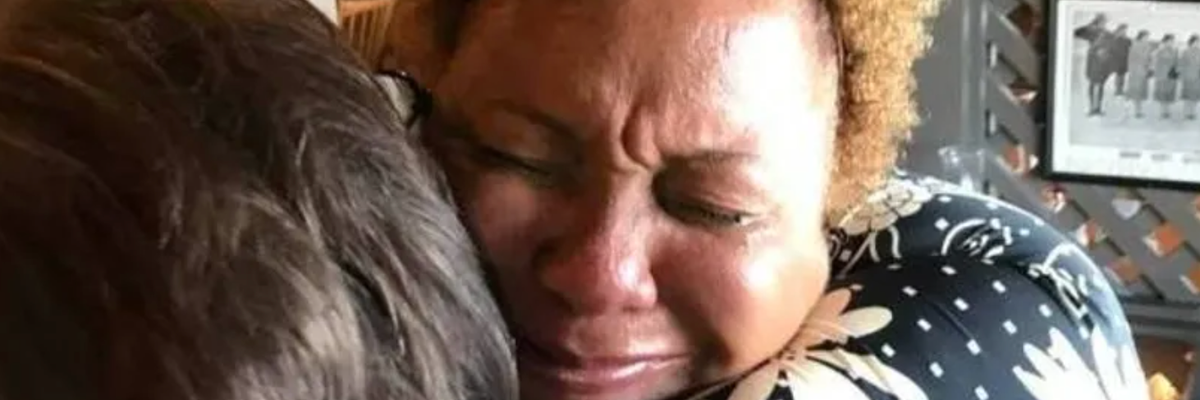
Ballard was shocked as she counted the money and was choked up by the time she reached $400. She couldn’t believe that these strangers had been so generous, and she grew more and more emotional as someone filmed her.
“I don’t really like to cry with a camera in my face, but I didn’t even care at this point,” she recalled. “I had 12 total strangers saying, ‘Hey, we care enough about you because of how you made us feel while we were dining and we want to be a blessing to you and your family.'”
According to Ballard, the money was an answer to her prayers. She had needed help paying her taxes and was stressed out about her car payment. With this money, she was able to pay down both.
Paying It Forward
 Photo by Priscilla Du Preez 🇨🇦 on Unsplash
Deal and the rest of the group wanted to share their moment of giving in order to inspire others to do the same. That’s why they posted it on Facebook, where many weighed in on how nice it was to see such generosity, especially so close to the holidays. But social media users weren’t the only ones who were inspired.
Ballard was so touched that she decided to use some of the money to help uplift others as well. After work, she went out for lunch and “blessed” her server with a large tip. Then she treated herself to a pedicure and gave the manicurist a large tip before the appointment began.
“Because of the gift of love and caring and sharing I’m able to not only be a better Janet, but I am able to be an example for people this time of year who don’t have hope,” she added to Today.
It's That Time of Year - Do the Unexpected!
 Photo by Dominic Kurniawan Suryaputra on Unsplash
Sometimes it’s just nice to see good people receive nice things, especially when it comes as a surprise. That’s one reason this story went viral and why so many people have responded to it. It’s an inspiring tale that reminds us to try and do something nice and unexpected for others in our own walks of life.
It can be something small, like shoveling snow for a neighbor or baking someone you love a treat. Or it can be a larger, more organized thing, like a group of friends pooling extra money together for a life-changing gift to a stranger.
Whatever you decide to do to uplift someone else, there’s no time like the present. With the holidays here, there are plenty of people out there who could use a little boost of joy.
More from Goalcast: